Conflict-Affected Cultures and Societies
DC 6 Our Fascination With Violence
How fascination with violence can draw attention away from restorative tasks.
Source: Nurturing Hope, Conflict-Affected Cultures and Societies, May 22 Final The Understanding Conflict Trust - Nurturing Hope - 4 Conflict Affected Cultures and Societies.pdf, pages 42-46
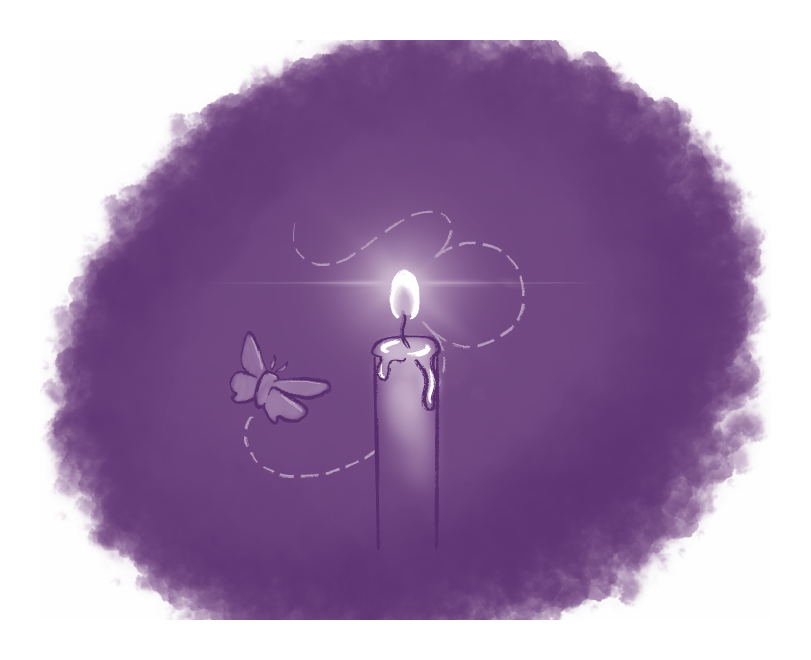
SOME DYNAMICS OF CONFLICT-AFFECTED CULTURES AND SOCIETIES 6 DC 6: FASCINATION WITH VIOLENCE
Fascination is both the movement towards something that captures our complete attention, and a movement away from the place we occupy, the task we have at a particular moment. Fascination is an attraction to something, and sometimes, a repulsion from it, when it becomes dangerous or threatening. There are some experiences of being totally fascinated that are wonderful to experience and part of the richness of life with others with whom we are at ease. e.g.
To be deeply in love; to be in awe at a beautiful sunrise or sunset; to be a fascinated spectator at an amazing sporting event! Fascination is the experience of being totally consumed with another person, object or happening. When we are fascinated, we move into the awe and wonder of a situation, like people drawn together around the comfort of a fire.
However fascination can destroy our ability to do our task well. Fascination can also take us away from the task in hand at a particular moment and reduce our freedom to work constructively. When we are transfixed by news reports we can lose our place and our freedom to get on with whatever our task is at that moment. Fascination can distract us from caring for children and young people, completing paid tasks, or engaging in important volunteer work.
Fascination with Violence Fascination with violence is both a movement towards it, fascinated, and when we get too close, often a revulsion back from it. Violence, like a fire, can draw us into its orbit, taking us away from a secure place or task. At the same time when violence reaches a certain intensity, like a fire, it can repel us. In both movements we are disoriented! It is in the movement towards and away from violence that de-stabilises our sense of order, of knowing our place.
In such movements we can lose our freedom to sustain the very relationships that might resolve the conflict and find ways out of it. Violence, in itself, is disorder, the end of order. All parties fighting to the bitter end to destroy one another generate chaos. In the case of a single person being attacked by another person or persons, the order of respect and dignity is trashed in violence to another human being!
Staying with our task There have been, and still are, many people who have refused to be fascinated by violence but simply did what they could to honour their calling, vision or task. Such people model constructive ways for us to act, beyond fascination and fear. Such people demonstrate that it is possible to live in ways not dominated by fear or be frozen in our ability to act constructively. When we follow such people we are mimetic with their freedom and their actions nurture hope.
As a writing team, having lived in Northern Ireland, Korea, or the US, and working continuously in those different places, it has been important to have been aware of the power of fascination and its ability to diminish us, diluting the power of what we can constructively do.
In all areas there are many important experiences in teaching, youth work, juvenile justice, social work, probation, criminal justice, policing, community development, racial equity, empowering women, trade union activities, politics and business development that have addressed violence without being fascinated by it. There are solid practical experiences of work that have not been waylaid by fascination.
For example:
-
Adults staying with their task of supporting young people and dissolving the power of the fascination with violence in their lives.
-
Restorative practices in addressing harms done.
-
Managers and trade union members promoting dignity and respect between people and ensuring their workplaces are not infected by outsiders threatening staff.
-
Creating safe spaces and places in which people learn and develop their potential in the midst of neighborhoods or institutions where there are multiple threats of violence.
-
In areas where mental health rates are an issue, patiently developing programmes that enable young children, young people and adults grow in confidence and ease.
-
Building cultures of equity and respect in workplaces and schools.
-
Taking the risk of meeting across opposed political positions.
-
Initiating and sustaining relationships between people from opposed religious beliefs and cultural backgrounds.
DC 6: FASCINATION WITH VIOLENCE
INVITATION
If you are willing now, speak about the themes above with another person or in the group of which you are a part.
REFLECT ON YOUR OWN
Recall a time when you were totally fascinated and enjoyed the experience until it ended. These may have been bonfires, sunsets, adolescent crushes, people you idolised, or childhood incidents which relatives still remind you about at family reunions. They may have been times when you were completely oblivious to events around you, totally spellbound with some activity or some person. What was the feeling of total fascination like? What happened to end it, and what were your feelings then?
Find Your Voice
Can you recall a situation on the news, or elsewhere, when you became fascinated with violence? What happened to you in this fascination? Seeing others being violent, did this cause you to be violent in your play or in your language with friends and others? Did you feel more freedom to act violently yourself?
Explore Your Reason
Looking back to the time when you were totally fascinated with violence. What impact did it have on other aspects of your life, if any? In any of the situations mentioned above, what are the chances of them continuing to fascinate you? What might be the costs? What would this do to the tasks you have? What would this mean for the good relationships you have today?
Examine Your Choice
How might the power of fascination with violence be cut in your own life and in the lives of others? What additional principles or structures might be needed to support you and others be less easily fascinated?
COLLABORATIVE ACTIVITY
Hearing your own voice and the voices of others, what are you now learning about the experience of becoming fascinated with violence?
Summary
Fascination with Violence. In situations of violence, fascination is the dynamic movement of both attraction and withdrawal. We are pulled towards a violent relationship or event, and at a certain point, we also might recoil from it. Fascination is further fuelled by all the attendant interest of the crowds, social media and (inter)national media.
As we become fascinated, apparently completely focussed on a person or on an event to the exclusion of all else, we can easily lose a wider view of the situation and of our place. We move away from the space or point of what we are doing into another world, where we have no influence and where our attention is devoured. Fascination of this kind destroys other possibilities. If we are to ‘nurture hope’ it is very important that we are not easily fascinated by violent events that take us away from our task.
It is important that where there are agreed support structures and procedures that address violence and criminalise it, we should let them do their work and not remain fascinated! Hope is nurtured by people ‘doing what needs to be done’, staying in relationships with the people immediately around us and continuing the work of developing openness and trust,